



Norridge Dentist
 Along with cooler weather and the end of year school break, winter brings the return of cold and flu season. When you are focused on a child with a fever, cough, or vomiting, it can be easy to question getting them out of the sickbed to brush their teeth. However, keeping mouths clean and teeth healthy can be even more important during illness. Here are some useful tips for protecting your child’s oral health when they’re sick.
Brush and floss
Brushing and flossing helps prevent build-up of harmful germs and bacteria in your child’s mouth. This helps keep their immune system focused on fighting the cold or flu virus. If your child’s illness includes vomiting, their teeth are exposed to acids that can weaken teeth. Help them rinse thoroughly and brush their teeth to avoid damage.
Hydrate
When your child is sick, they need plenty of water to stay hydrated, soothe a sore throat, and keep sinuses moist. In addition, dry mouth can occur during illness and increase risk of tooth decay. Drinking water helps combat dry mouth and congestion.
Watch out for sugars
Cough drops and cough syrups can contain high amounts of sugar to improve the medicine flavor. However, this can leave sugary residue on the teeth. Look for sugar-free options when possible and rinse well after any medicine with sugar.
Disinfect dental appliances
If your child has a dental appliance, such as a retainer, athletic mouth guard, or night guard, be sure it is cleaned thoroughly between uses. Contact our office for information on the type of cleanser that is appropriate for your child’s device.
Follow-up
When your child is well again, replace their toothbrush. Even a clean toothbrush may retain some bacteria or germs following use. To help protect your child from reinfection, discard the used toothbrush in favor of a new one.
For more tips on keeping teeth healthy through an illness, contact our office.
7615 W. Montrose Ave.
Norridge, IL 60706-1045
Phone: (708) 453-0777
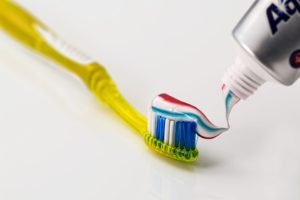 When buying a toothbrush, toothpaste, or coming in to our office, you often hear the word “plaque” associated with the health of your teeth. Plaque is one of the main reasons why it is so important to keep up with a daily oral hygiene routine that includes brushing two times each day for at least two minutes, and flossing regularly as well. Here’s what you need to know about plaque and what it can do to your smile.
 If the idea of biting into an ice cream sandwich makes you cringe, you may be one of the millions of people who suffer from sensitive teeth. This is often caused by movement of fluid in the dentin – the soft inner tissue beneath the enamel of your tooth. This motion irritates the tooth nerve, creating a tingling sensation and sometimes pain.
 The year is closing and holidays are on the horizon. Are you planning year-end travel or a last-minute getaway? Before heading out on your next adventure, make sure you are prepared with these 3 quick tips for maintaining optimal dental health during travel.
 Due to the anxiety or embarrassment it can cause, halitosis – or bad breath – can be difficult for many people to face. However, clean-smelling breath may be easier than you think. Try these solutions to overcome halitosis and regain your confidence.
 Most serious oral health issues can be prevented by maintaining an effective routine of dental hygiene and in-office care. However, you could be at higher risk for some oral illnesses due to hereditary factors. Awareness and proper treatment can help minimize these risks. Here are a few of the most common oral health concerns that are affected by genetics.
 It’s highly likely that after visiting our practice, you understand the value of a thorough, professional dental cleaning. It’s also likely that you may not fully understand the importance of a complete exam and radiographs.
 Your smile is one of the first things a person will notice when you meet. If you would like to improve your smile with a simple procedure, teeth whitening may be a great option for you, especially if you have stained, dull or discolored teeth. Our dental office is providing teeth whitening services to new and existing patients.
 Loose teeth, bad breath, and painful, bloody gums – these are among the signs and symptoms of periodontal, or gum, disease. Unfortunately, periodontal disease can also begin without any obvious symptoms. If left undiagnosed or untreated, you could be at risk for irreparable damage to your teeth and gums. The good news is that periodontal disease is preventable. In fact, one of the most effective tools for preventing the disease only takes a minute of your time each day.
 Do you brush your teeth after lunch? If you’re one of the millions of people who work outside the home, chances are you don’t have the time or resources to brush during the day. However, not being able to brush doesn’t mean you can’t protect your teeth at work.