


Do you suffer from regular sensitivity? Teeth sensitivity is often misunderstood, but our dental team can help you find relief. We’re here to separate the fact from fiction in sensitivity.
MYTH: People’s teeth are supposed to hurt when they bite into cold or hot foods.
Feelings of sensitivity when eating hot or cold foods should not be a typical experience. If you suffer from hypersensitivity, it can actually be a sign that something is wrong. There are many causes for hypersensitivity including cavities, older dental fillings, worn tooth enamel, gum disease, and exposed tooth roots. Dentin hypersensitivity is a common issue. A visit to our dental office can help you find relief.
MYTH: Desensitizing toothpastes are not effective in reducing teeth sensitivity.
Desensitizing toothpastes include compounds like potassium nitrate or strontium chloride. These ingredients work by preventing pain signals being transmitted between the surface of your tooth and the inside nerves. It may take several applications of the toothpaste until you will feel a noticeable difference. Prescription strength toothpastes are also an option for more severe and prolonged feelings of sensitivity. Ask our dentist to recommend a toothpaste for your needs.
MYTH: You shouldn’t drink coffee or eat ice cream if you have sensitive teeth.
You don’t have to be limited from eating or drinking your favorite foods. It is important to check with our dentist to determine the root cause of your discomfort. Based on your cause, we may recommend a prescribed toothpaste or another treatment. You should always maintain proper oral care to prevent sensitivity.
MYTH: Sensitivity never results in tooth loss.
Sensitivity may in fact be a precursor to tooth loss. Gum recession, which exposes the roots of your teeth, can cause general sensitivity among several teeth at the same time. Prolonged and untreated gum recession can lead to tooth loss. Tooth decay can also cause sensitivity. When left untreated, it may lead to an infection in the gums or jaw and risk spreading to other areas in the head or neck. Early diagnosis and treatment can make a difference in keeping your smile healthy.
MYTH: Sensitivity does not have a cure.
Depending on the cause, there are many ways to treat teeth sensitivity. Proper oral hygiene is the best way to prevent any sensitive tooth pain. If you experience sensitivity, schedule a comprehensive dental examination today.
We look forward to seeing you. Contact our team to schedule your next visit.



 Along with cooler weather and the end of year school break, winter brings the return of cold and flu season. When you are focused on a child with a fever, cough, or vomiting, it can be easy to question getting them out of the sickbed to brush their teeth. However, keeping mouths clean and teeth healthy can be even more important during illness. Here are some useful tips for protecting your child’s oral health when they’re sick.
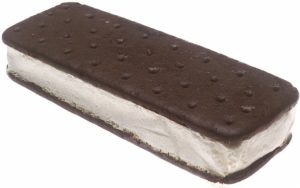 If the idea of biting into an ice cream sandwich makes you cringe, you may be one of the millions of people who suffer from sensitive teeth. This is often caused by movement of fluid in the dentin – the soft inner tissue beneath the enamel of your tooth. This motion irritates the tooth nerve, creating a tingling sensation and sometimes pain.
 The year is closing and holidays are on the horizon. Are you planning year-end travel or a last-minute getaway? Before heading out on your next adventure, make sure you are prepared with these 3 quick tips for maintaining optimal dental health during travel.
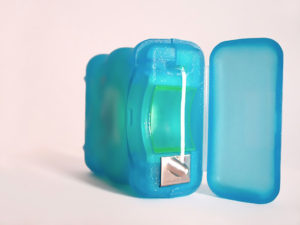 Loose teeth, bad breath, and painful, bloody gums – these are among the signs and symptoms of periodontal, or gum, disease. Unfortunately, periodontal disease can also begin without any obvious symptoms. If left undiagnosed or untreated, you could be at risk for irreparable damage to your teeth and gums. The good news is that periodontal disease is preventable. In fact, one of the most effective tools for preventing the disease only takes a minute of your time each day.
 Do you brush your teeth after lunch? If you’re one of the millions of people who work outside the home, chances are you don’t have the time or resources to brush during the day. However, not being able to brush doesn’t mean you can’t protect your teeth at work.