


Dentist Near Me

It’s no surprise that brushing your teeth twice a day lowers plaque, keeps your gums healthy, and helps fight bad breath. But in the process of brushing, the bacteria in our mouths also get onto our toothbrushes and remain there even after we rinse. This unfortunately makes them an ideal breeding ground for various viruses and bacteria.
Luckily there are measures you can take to clean your toothbrush. Here are some toothbrush cleaning tips:
Daily Toothbrush Maintenance:
● Always rinse off any excess toothpaste (including on the handle) before storing.
● Store your toothbrush in an upright position, such as in a cup or a toothbrush holder.
● Don’t let your toothbrush touch any surfaces or other toothbrushes.
● Leave the brush open to the air to dry. Avoid storing it in containers or drawers.
Weekly In-depth Cleaning Options:
● Soak your toothbrush in an antibacterial mouthwash or hydrogen peroxide for 2-3 minutes. Rinse thoroughly before using again.
● Boil your toothbrush in water for approximately 3 minutes. This can be hard on your brush, but is the most effective in killing germs.
● You can throw it in your dishwasher for a good cleaning. This can be damaging to the bristles, so it is not recommended to use this option regularly.
● If you want to be extra thorough, you can use an FDA-approved UV toothbrush sanitizer.
Don’t forget to change your toothbrush every 3 months, or sooner if your bristles are showing signs of wear (i.e. frayed, missing, or bent bristles).
For further information on how to properly care for your toothbrush AND your teeth, contact our office for an appointment today!
7615 W. Montrose Ave.
Norridge, IL 60706-1045
Phone: (708) 453-0777
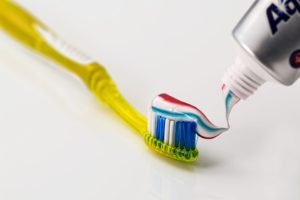 When buying a toothbrush, toothpaste, or coming in to our office, you often hear the word “plaque” associated with the health of your teeth. Plaque is one of the main reasons why it is so important to keep up with a daily oral hygiene routine that includes brushing two times each day for at least two minutes, and flossing regularly as well. Here’s what you need to know about plaque and what it can do to your smile.
 The year is closing and holidays are on the horizon. Are you planning year-end travel or a last-minute getaway? Before heading out on your next adventure, make sure you are prepared with these 3 quick tips for maintaining optimal dental health during travel.
 Your smile is one of the first things a person will notice when you meet. If you would like to improve your smile with a simple procedure, teeth whitening may be a great option for you, especially if you have stained, dull or discolored teeth. Our dental office is providing teeth whitening services to new and existing patients.
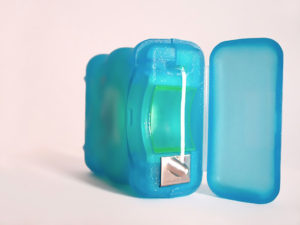 Loose teeth, bad breath, and painful, bloody gums – these are among the signs and symptoms of periodontal, or gum, disease. Unfortunately, periodontal disease can also begin without any obvious symptoms. If left undiagnosed or untreated, you could be at risk for irreparable damage to your teeth and gums. The good news is that periodontal disease is preventable. In fact, one of the most effective tools for preventing the disease only takes a minute of your time each day.
 Do you brush your teeth after lunch? If you’re one of the millions of people who work outside the home, chances are you don’t have the time or resources to brush during the day. However, not being able to brush doesn’t mean you can’t protect your teeth at work.
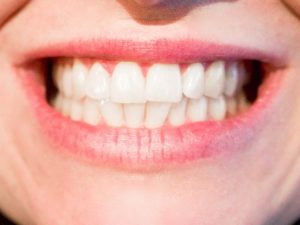 Teeth grinding, known as bruxism, is a habit many get into without even realizing it. Grinding your teeth can be damaging for several reasons. If you or your child have been struggling with teeth grinding, make an appointment to see us. We will assess the damage to the teeth, as well as assist you in addressing solutions. Here’s what you need to know about teeth grinding.
 Mouthwash can be helpful in decreasing the amount of bacteria in your mouth. It can also be a useful way of combating decay. But not everyone needs to use a mouthwash. If you are wondering whether you should be using a mouthwash, here’s what you need to know.
 Is anxiety or nervousness preventing you from visiting our team? Dental treatments should not be a cause of stress. If you worry about pain, embarrassment, or loss or control during a dental examination, we want you to know two very important things: You are not alone and We can help.
 Nearly everyone has at least one habit that they wish they could break. Did you know that some of them can affect your oral health? Here are a few common habits and tips for how to break them.